Child Poverty · 5 min read
Child Hunger in Louisiana: What It Looks Like and How to Help
Child hunger in Louisiana and across the US is real and fixable. See what food insecurity does to a child's day and how your gift can put food on the table.
Illustrative image
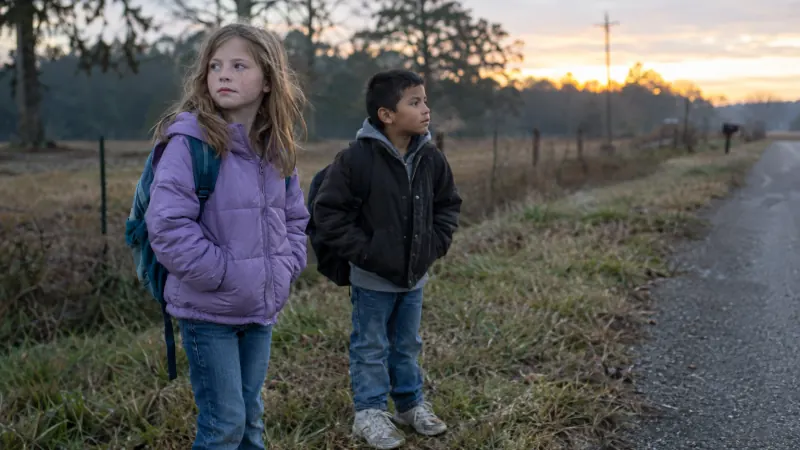
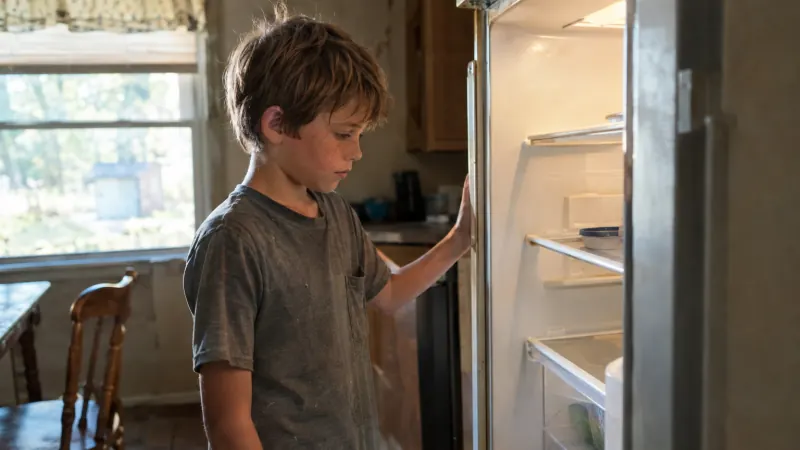
Picture a nine-year-old at the kitchen table at 7:00 in the morning. The refrigerator holds a jug of water and a few condiments. The cereal is gone. The child puts on yesterday's shirt, heads for the bus, and hopes that school lunch is good today.
That child is not a statistic. That child is real, and the same morning plays out in too many homes across Louisiana and the United States.
Key takeaways
- Food insecurity means a household cannot always get enough food for a healthy life.
- Children who go without food can struggle to focus, learn, and stay well.
- School meals help a great deal, but they do not cover every day of the year.
- A small, steady gift can help put food and clean water within a child's reach.
- Hunger is a problem we know how to solve.
What the data tells us
The USDA's Economic Research Service tracks food security in American households each year. According to the USDA, millions of children in the United States live in households that have trouble getting enough food at some point during the year. You can read its latest reports on the USDA Economic Research Service food security page.
Feeding America also publishes state-level information. Its Louisiana page describes how hunger affects people across the state, including children. Its child hunger page explains why children are especially affected.
Numbers change from year to year, so please check those sources for the current figures. What does not change is the story behind them. Behind each number is a child who is hungry on a school night.
What food insecurity looks like at home
Food insecurity is not always dramatic. It often looks ordinary, and that makes it easy to miss. It can look like:
- A parent skipping dinner so the children can eat.
- A family buying cheap, filling food because fresh food costs too much.
- A child who eats a lot at school and very little on weekends.
- A household that runs out of food days before the next paycheck.
- Choices between groceries, rent, medicine, and gas.
For families in northeast Louisiana, a car repair, a medical bill, or a few missed hours at work can tip a tight budget over the edge. One surprise can mean an empty shelf.
What hunger does to a child
Hunger is more than an uncomfortable feeling. It touches nearly every part of a young life.
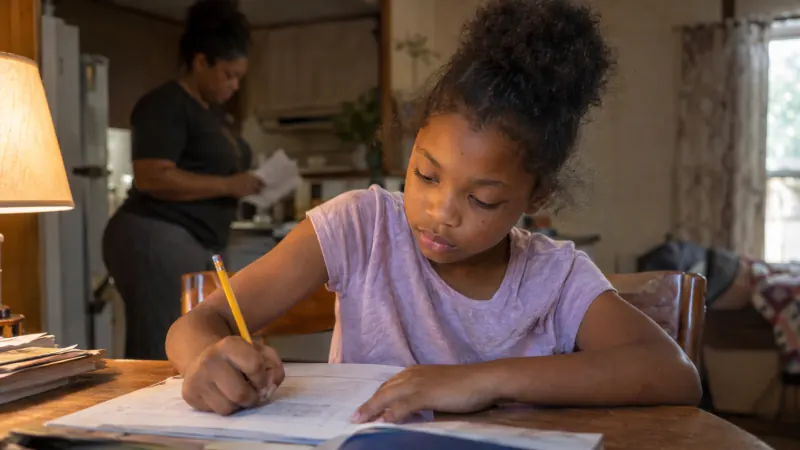
Learning. A child who is hungry has a harder time paying attention. Reading, math, and even listening are harder on an empty stomach.
Health. Regular, nourishing meals help growing bodies. When food is scarce, children can get sick more easily and miss school.
Mood and behavior. Hunger can bring worry, irritability, and shame. Children often hide how bad it is because they do not want to stand out.
Hope. A child who does not know whether dinner will happen has less room to dream about the future.
These are the costs that do not show up on a bill. They show up on report cards, in sick days, and in a child's belief in what is possible.
What already helps, and where gaps remain
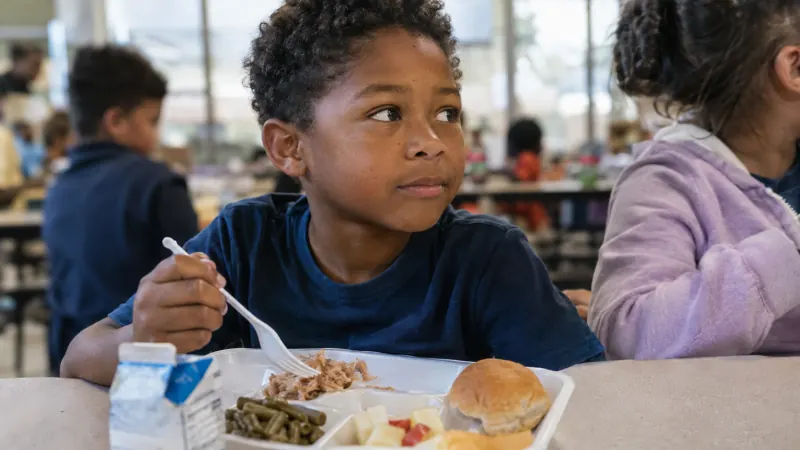
Public programs do a lot. The National School Lunch Program provides meals to children at school, and many schools offer breakfast too. For many children, those meals are the most reliable food of the day.
But gaps remain. Weekends, holidays, and summer all leave children without the same support. We write more about that in the summer hunger gap. Families may also be just above the limit for a program and still struggle. And food is only one of the basics. A child also needs clean water, a safe place to sleep, and a stable home.
That is why charities and neighbors matter. We fill the spaces public programs cannot always reach.
How a gift helps
At Plondo Foundation, Essential Resources is the program that covers food, clean water, and shelter. It exists because a child cannot learn, grow, or thrive without these things. You can read more on the programs page.
Here is what giving can look like:
- $25 can help provide food and clean water for a child.
- $100 can help with school supplies, which frees a family's money for groceries.
- $250 can support living expenses, such as housing and utilities, so a family's food budget does not vanish into a bill.
We do not claim that a single gift solves hunger. We do say that a gift is a real thing in a real child's life. For ideas on stretching a small gift, see what $25 can do for a child.
Ways you can help beyond a gift
If you want to do more, there are many ways to help:
- Donate to a trusted charity, and consider giving monthly.
- Volunteer at a local food program or school drive.
- Ask your workplace about matching gifts. Our article on employer matching gifts explains how.
- Share what you learn with friends and family.
- Teach your own children to notice who is going without.
Each of these helps. A gift is often the fastest, because it turns into food right away.
Why giving monthly fits the problem
Hunger is not a once-a-year event. A child needs food every day, in every season. A monthly gift fits that rhythm. It lets a charity plan ahead and respond to a need before it becomes an emergency. You can learn more in our guide to monthly giving versus one-time donations.
Even a small monthly gift, joined with the gifts of others, becomes steady support for a child who needs it.
What a good day of food looks like for a child
It helps to picture the opposite of hunger. A child wakes up to breakfast. At school, lunch is waiting, and maybe a snack. After practice or play, there is dinner at a table, with someone to talk to. Water is clean and cold. At bedtime, the child is full and calm.
Nothing about that day is fancy. Yet for a child who lives with food insecurity, it can feel out of reach. Each piece of the day depends on money, time, and luck. When any of them fails, a gap opens.
That is why steady help matters. A charity that can count on monthly gifts can respond sooner and more often. It can help close the gaps before they swallow a whole week. When you think about giving, you are really deciding whether that picture of an ordinary good day becomes real for a child.
Do something today
There is a child in northeast Louisiana who is hungry this week. There are more beyond it. You cannot fix everything, but you can do something real in about two minutes.
Visit /donate to give once or set up a monthly gift. Your gift is tax deductible, a receipt arrives by email, and it goes to a charity whose mission is that every child has shelter, food, water, and the education and support to thrive. If you have questions, see the FAQ or write to [email protected].
Let the next morning at the kitchen table look a little different.
Frequently asked questions
What does food insecurity mean?
The USDA uses food insecurity to describe households that, at times, lack consistent access to enough food for an active, healthy life. It does not always mean going a full day without eating. It can mean skipping meals, buying cheap filling food, or stretching food until the next payday.
Does child hunger affect learning?
Yes. Hungry children often find it harder to focus, and they may miss school more often because of poor health. A steady supply of food supports energy, mood, and attention, which are all things a child needs in class. Meals at school help, and so do meals at home.
How can I help hungry children in northeast Louisiana?
You can give to a trusted charity, volunteer with a food program, or support school and community meals. At Plondo Foundation, Essential Resources covers food, clean water, and shelter. A $25 gift can help provide food and clean water for a child, and monthly gifts keep help steady.