Child Poverty · 5 min read
Clean Water, Food, and Shelter: The Basics Every Child Needs
Clean water, steady food, and safe shelter are the base of a child's health and learning. See why the basics matter first and how a gift helps cover them.
Illustrative image
We usually talk about the big things children need to succeed: good schools, good teachers, good opportunities. Those matter. But underneath them sits a layer so basic we rarely say it out loud.
A child needs something to drink. A child needs something to eat. A child needs a safe place to sleep. When those are in place, everything else can grow. When they are not, nothing else stands on firm ground.
Key takeaways
- Clean water, food, and shelter are the base of a child's health and learning.
- Missing any one of them can affect sleep, mood, school, and growth.
- Basic needs are connected, and a gap in one often creates gaps in others.
- A small gift can help cover the basics for a child.
- Meeting basics first gives every other effort a better chance.
Why basics come first
Think of a house. You can paint the walls, add furniture, and hang pictures. But if the foundation is cracked, nothing else holds. For a child, water, food, and shelter are the foundation.
Researchers and educators talk about this often. A child who is thirsty, hungry, or cold has a hard time paying attention. The mind simply cannot focus on a math problem while the body is asking for something more urgent.
That is why Plondo Foundation's mission begins with the basics: that every child in northeast Louisiana and beyond has shelter, food, water, and the education and support to thrive. The order is not an accident.
Clean water
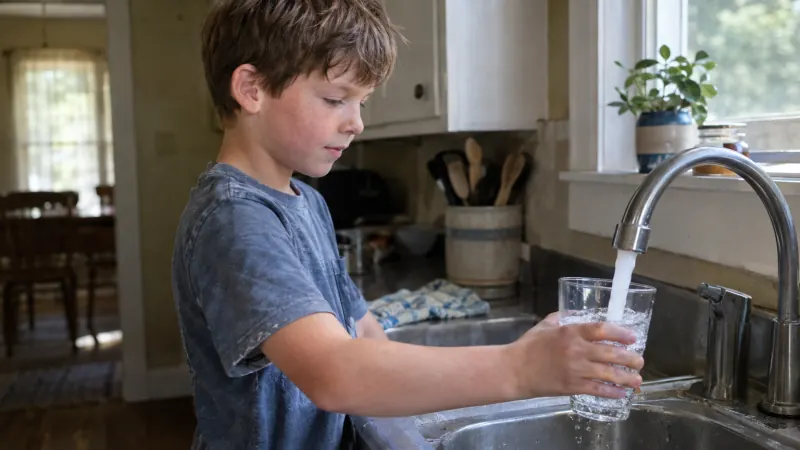
Water is something many of us never think about. We turn on a tap and it flows. But safe water is not guaranteed for every household or every community.
The World Health Organization explains in its drinking-water fact sheet why safe drinking water is essential to health. In the United States, the EPA provides information about drinking water standards and safety.
For children, water affects:
- Hydration and energy. Even mild thirst can make a child tired and unfocused.
- Health. Safe water helps protect children from illness.
- School attendance. Sick children miss school.
- Comfort and dignity. A child who cannot easily get a clean drink or a bath may feel embarrassed.
Sometimes the problem is not the water supply itself, but a family's ability to keep the water on. A shutoff for an unpaid bill can leave a household without running water. That is part of why living expenses and basics are linked.
Food
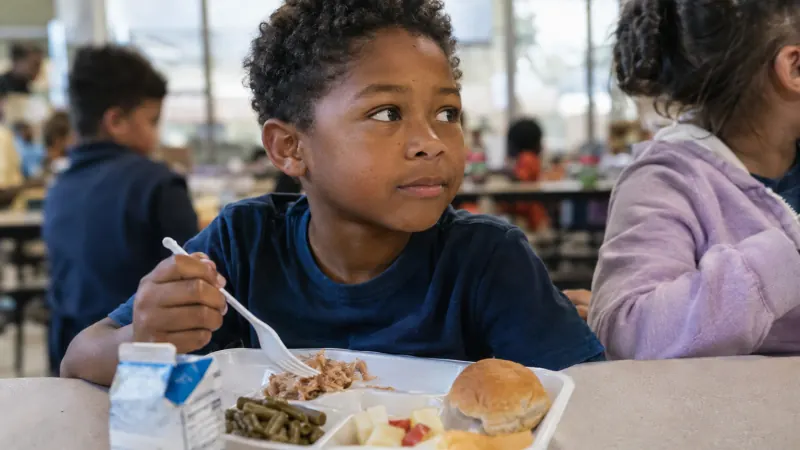
Food is the most visible basic need. A child who does not get enough to eat may feel tired, upset, or distracted. Over time, poor nutrition can affect growth and health.
The USDA's Economic Research Service publishes annual data on household food security. According to the USDA, millions of children live in households that struggle to get enough food at some point during the year. We explore this in depth in child hunger in Louisiana.
Food is not only about calories. It is also about routine. A regular breakfast, a family dinner, a packed lunch all send a message: you are cared for. When food is uncertain, that message is harder to hear.
Shelter
A home is more than walls and a roof. It is where a child sleeps, where homework gets done, where a child feels safe. When housing is unstable, children can lose that anchor.
The U.S. Department of Housing and Urban Development, at HUD.gov, provides information about housing and the programs that help families. For children, unstable housing can mean moves, missed school, and stress. We discuss this in why stable housing matters for learning.
Shelter also includes the things that make a home livable: heat in winter, cooling in summer, working lights, and a safe space. These are the details that make a place feel like home.
How the basics connect
A child's needs are not separate piles. They connect, and a problem in one place often creates problems elsewhere.
- A family behind on rent may skip groceries.
- A family without food may skip a utility bill to pay for a meal.
- A child without sleep may struggle to learn.
- A child who is sick from unsafe water may miss school.
- A parent who works extra hours may have less time for the child.
Because of these links, helping with one need often helps others. A gift that keeps the water on also protects a child's health. A gift that covers a meal frees money for a bill.
What it feels like to go without
Adults can understand scarcity as a budget problem. Children feel it as something else. They feel it as worry. They feel it as shame. They feel it as being different.
A child may stop inviting friends over. A child may avoid talking about home. A child may learn to expect disappointment. Those feelings can last a long time.
When a child's basic needs are met, the opposite happens. They feel secure, they feel safe, and they feel they belong. They have room to be a kid.
How Essential Resources helps
Plondo Foundation's Essential Resources program exists to cover the most basic needs: food, clean water, and shelter. You can read the description on the programs page.
Here is what different gifts aim to support across Plondo Foundation's work:
- $25: food and clean water for a child.
- $100: school supplies.
- $250: living expense support, such as housing, utilities, and everyday essentials.
- $500: a step toward a scholarship.
The amounts show the kind of need each level supports. They are not guarantees of specific items. Learn more about the power of small gifts in what $25 can do for a child.
How you can help
You can help in many ways:
- Give monthly. Basic needs recur, so steady help fits.
- Give once. A single gift meets a need right now.
- Share. Tell friends about the basics children need.
- Learn. Read about food, water, and housing in your own community.
- Volunteer. Local pantries, shelters, and school programs often need hands.
Small habits that protect basics at home
Families can protect their basics in small ways, and neighbors can help. Keep a small reserve of drinking water for emergencies. Keep shelf-stable food on hand, and rotate it. Learn how to reach your utility company if a bill is late, because many companies offer payment plans when asked early.
If you are helping a family, ask what would help most rather than guessing. Dignity grows when people choose their own help.
These habits do not replace public services or charity. They do add a layer of calm. For a child, that calm shows up as a regular meal, a clear glass of water, and a night of sleep.
Start with the basics
The basics are not glamorous. They do not make headlines. But they decide whether a child can learn, laugh, and grow.
You can help cover them. Visit /donate to give once or set up a monthly gift. Your gift is tax deductible, your receipt arrives by email, and your support goes toward children in northeast Louisiana and beyond. If you have questions, read the FAQ or write to foundation@plondo.com.
Give a child a glass of clean water, a meal, and a safe place to sleep. Everything else can start from there.
Frequently asked questions
Why is clean water so important for children?
Safe water supports hydration, digestion, growth, and protection from illness. Children are smaller and can be affected more quickly when water is unsafe or scarce. Clean water also affects school attendance, sleep, and everyday comfort. It is a basic need that supports every other part of a child's life.
What are the basic needs of a child?
Children need food, clean water, a safe place to live, health care, and loving adults. They also need education and chances to play. When basics like food, water, and shelter are missing, it becomes much harder for children to learn and grow. Plondo Foundation's mission begins with these basics.
What does Essential Resources do at Plondo Foundation?
Essential Resources is the program that covers food, clean water, and shelter for children. A $25 gift can help provide food and clean water for a child. Details are on the programs page. Donations can be one-time or monthly, and receipts arrive by email.